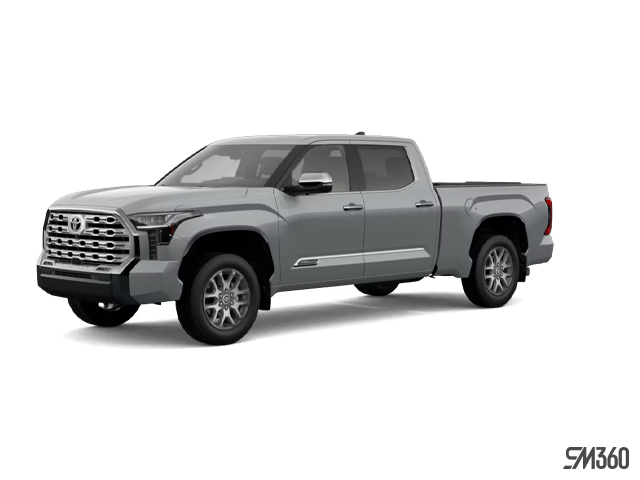
Photo for illustrative purposes only.
Find out more
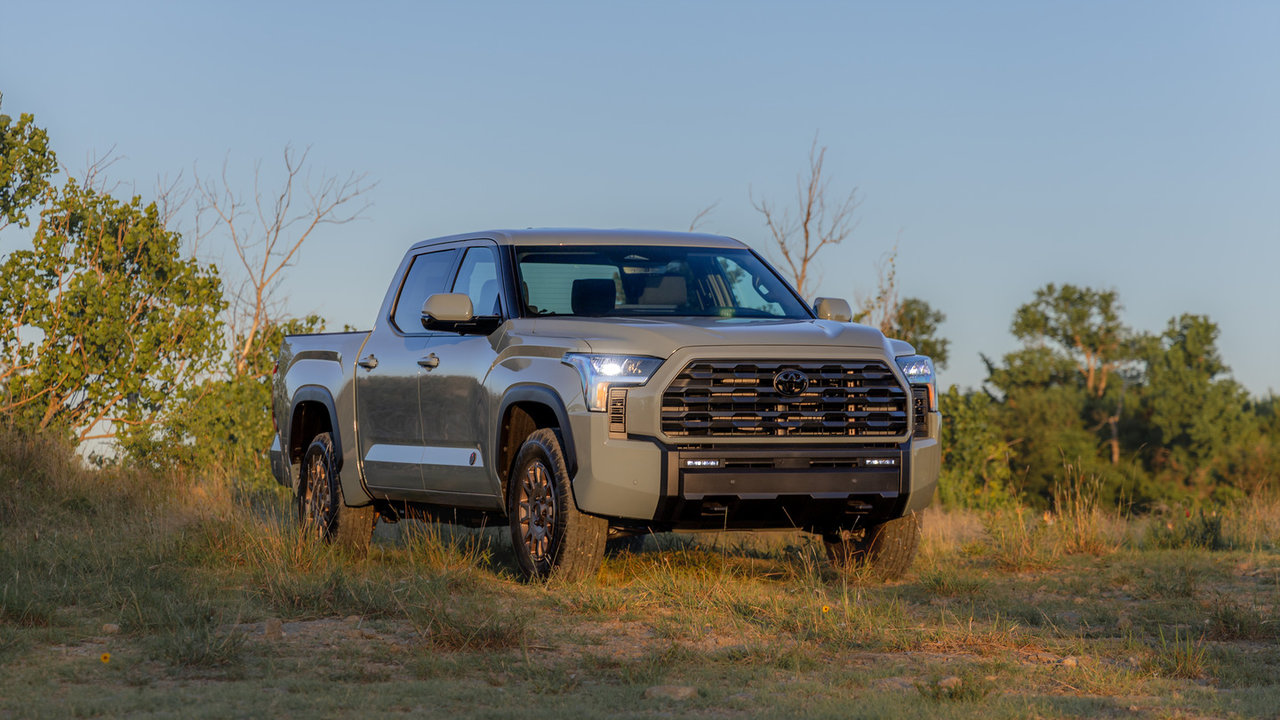
Long stretches of highway can wear a driver down faster than expected. Traffic bunches up, lanes narrow near construction, and holding a steady speed for hours takes more focus than most people realize.
The 2026 Toyota Tundra includes Toyota Safety Sense 2.5, a suite of driver-assist features built into every trim. Three of them matter most once you’re cruising at highway speed: Dynamic Radar Cruise Control, Lane Tracing Assist, and Lane Departure Alert with Steering Assist.
Dynamic Radar Cruise Control (DRCC) keeps a set following distance from the vehicle ahead in flowing traffic, adjusting speed automatically as traffic slows or picks back up. Lane Tracing Assist reads visible lane markers and applies gentle steering input to help keep the truck centred in its lane. Lane Departure Alert with Steering Assist watches for unintended drift and issues a visual and audible alert, along with slight steering force, if the Tundra begins to leave its lane without a signal.
All three are standard across the Double Cab SR, SR 4x2, and SR5 L lineup, alongside Automatic High Beam and Pre-Collision System.
|
Feature |
Function |
Standard On |
|
Dynamic Radar Cruise Control |
Maintains set following distance |
Double Cab SR, SR5 L |
|
Lane Tracing Assist |
Helps keep the truck centred in its lane |
Double Cab SR, SR5 L |
|
Lane Departure Alert w/ Steering Assist |
Warns and corrects for lane drift |
Double Cab SR, SR5 L |
Each system reads a different piece of the road. DRCC uses radar to track the vehicle ahead. Lane Tracing Assist reads the painted lines on the pavement. Lane Departure Alert watches for a pattern that looks like unintentional drift, then nudges the wheel back.
None of these systems drive the truck. They assist a driver who is already paying attention, filling in small corrections and adjustments so the driver isn’t making every single one manually. Road, traffic, and weather conditions all affect how well each system performs, and visibility or faded lane markings can limit Lane Tracing Assist specifically.

A loaded pickup responds differently to steering input than a sedan, and holding a truck’s lane position over a two- or three-hour drive takes more physical effort than most drivers expect. Lane Tracing Assist reduces some of that steering workload on straight highway sections and gentle curves.
Dynamic Radar Cruise Control does something similar for the right foot. Instead of constantly tapping the brake and accelerator as traffic flow changes, the system holds a following gap and adjusts speed on its own. Combined with Lane Departure Alert as a backup for drift, the three systems work together to reduce fatigue, not to replace the need for an alert driver.
DRCC is most useful on commutes, multi-lane highway stretches, and longer intercity trips across Quebec, where speeds stay elevated and manual cruise control adjustments would otherwise be constant.
Drivers who spend real time on the highway, whether commuting daily or making longer trips between cities, will notice these systems the most. A Tundra used mainly for short trips around town will see less benefit from DRCC than one that regularly holds highway speed for an hour or more.
These three features are part of a larger Toyota Safety Sense package that also includes Automatic High Beam and Pre-Collision System, among other supporting technologies. They work as one connected system, but DRCC, Lane Tracing Assist, and Lane Departure Alert are the ones most directly tied to sustained highway driving.
None of this changes who’s responsible behind the wheel. Every one of these systems is designed to assist, not replace, an attentive driver, and Toyota is explicit that none of them are collision-avoidance substitutes.
Toyota Safety Sense 2.5 brings Dynamic Radar Cruise Control, Lane Tracing Assist, and Lane Departure Alert with Steering Assist together as standard equipment across the 2026 Tundra Double Cab lineup, aimed squarely at steadier, less tiring highway driving.
Visit Chassé Toyota in Montréal to test drive the 2026 Tundra and feel how these systems respond in real Quebec traffic. Our team can also walk you through which configuration best fits your highway driving needs.
Photo for illustrative purposes only.
Find out more
What the 2026 Toyota Tundra Double Cab SR 4X2 Can Carry
A work truck lives or dies on two numbers: how much weight it carries in the box, and how much it pulls behind it. The 2026 Toyota Tundra Double...
Read more
Does Every 2027 Toyota Corolla Grade Get Blind Spot Monitor?
If you’re comparing 2027 Corolla grades in Quebec, one detail decides a lot: not every grade includes Blind Spot Monitor. This is a...
Read more
How Does the 2026 Toyota Corolla Hybrid Keep Commuting Costs Low?
Sitting in stop-and-go traffic is where most fuel gets burned and most patience gets tested. For Quebec commuters who spend their week idling at...
Read morePowered and developed by
