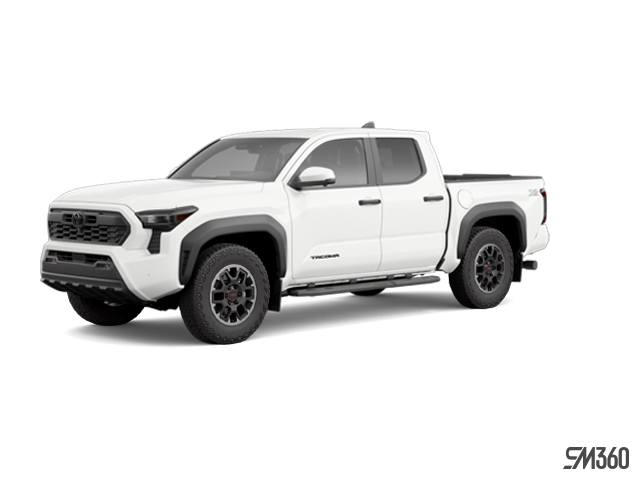
Photo for illustrative purposes only.
Find out more
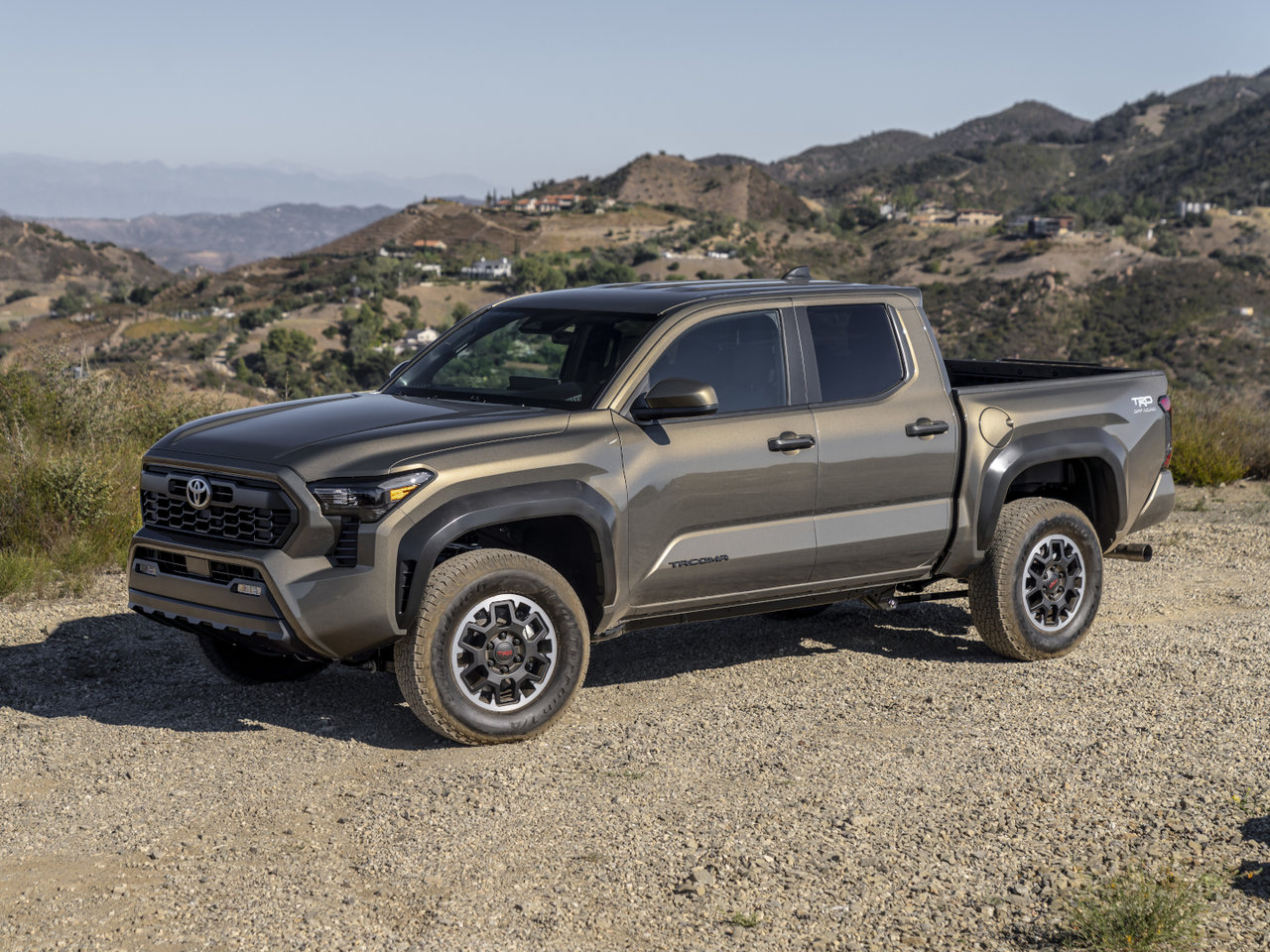
Heading onto a rutted logging road or a rocky cottage laneway for the first time can feel intimidating, even in a capable truck. The 2026 Toyota Tacoma TRD Off Road is built with that moment in mind, and one of its more interesting systems is Crawl Control.
This article breaks down what Crawl Control actually does, how it fits alongside the Tacoma TRD Off Road’s other trail hardware, and who in Quebec is most likely to get real use out of it.
Crawl Control is a low-speed, trail-assist system built into the Tacoma TRD Off Road grade. It is grouped with the truck’s other off-road-focused technology, alongside Downhill Assist Control (DAC), Multi-Terrain Select, and a locking rear differential.
On the Tacoma TRD Off Road (6-ft bed), these systems come standard, part of a broader off-road equipment set that also includes 265/70 R17 BFGoodrich Trail Terrain tires, a full-size spare, Bilstein shock absorbers, and upgraded underbody protection for the engine, fuel tank, and transfer case.
The TRD Off Road grade runs the 2.4 L 4-cylinder turbo engine paired with an 8-speed automatic and part-time 4WD, producing 278 hp and 317 lb-ft of torque.
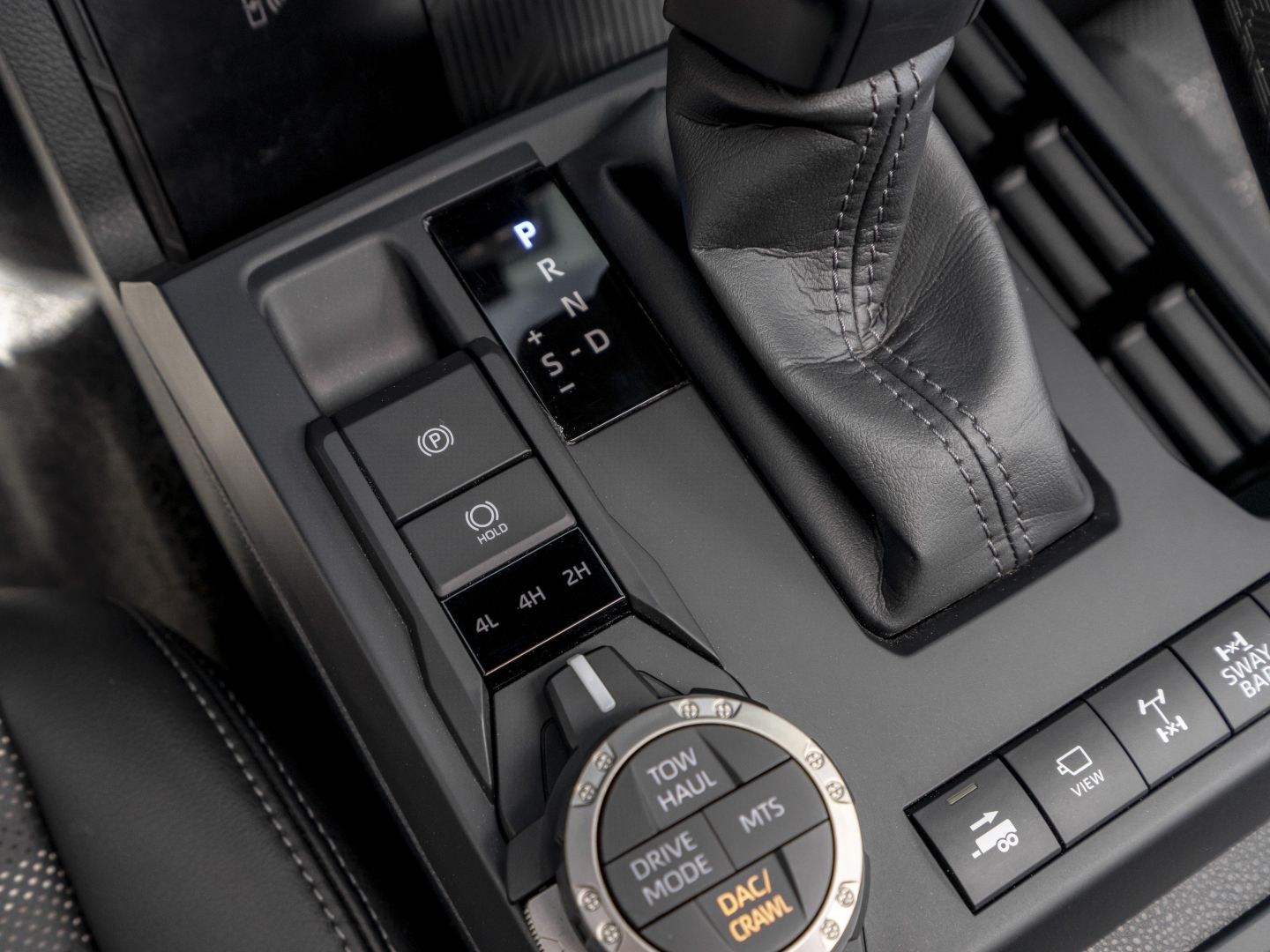
Crawl Control takes over throttle and braking at very low speeds so the driver can focus entirely on steering. Instead of modulating the gas and brake pedals by feel over rocks or ruts, the driver selects a set crawl speed and lets the system manage wheel slip and traction automatically.
This matters most on terrain where a small input error costs traction: steep climbs, steep descents, deep ruts, loose rock, mud, and other low-traction surfaces. On those surfaces, the system pairs with Multi-Terrain Select, which adjusts throttle and traction response for the specific surface, and with the locking rear differential, which keeps power going to both rear wheels even if one loses grip.
Downhill Assist Control handles the other half of the equation. Coming down a steep grade, DAC holds a controlled, steady speed without the driver riding the brake pedal the whole way down.
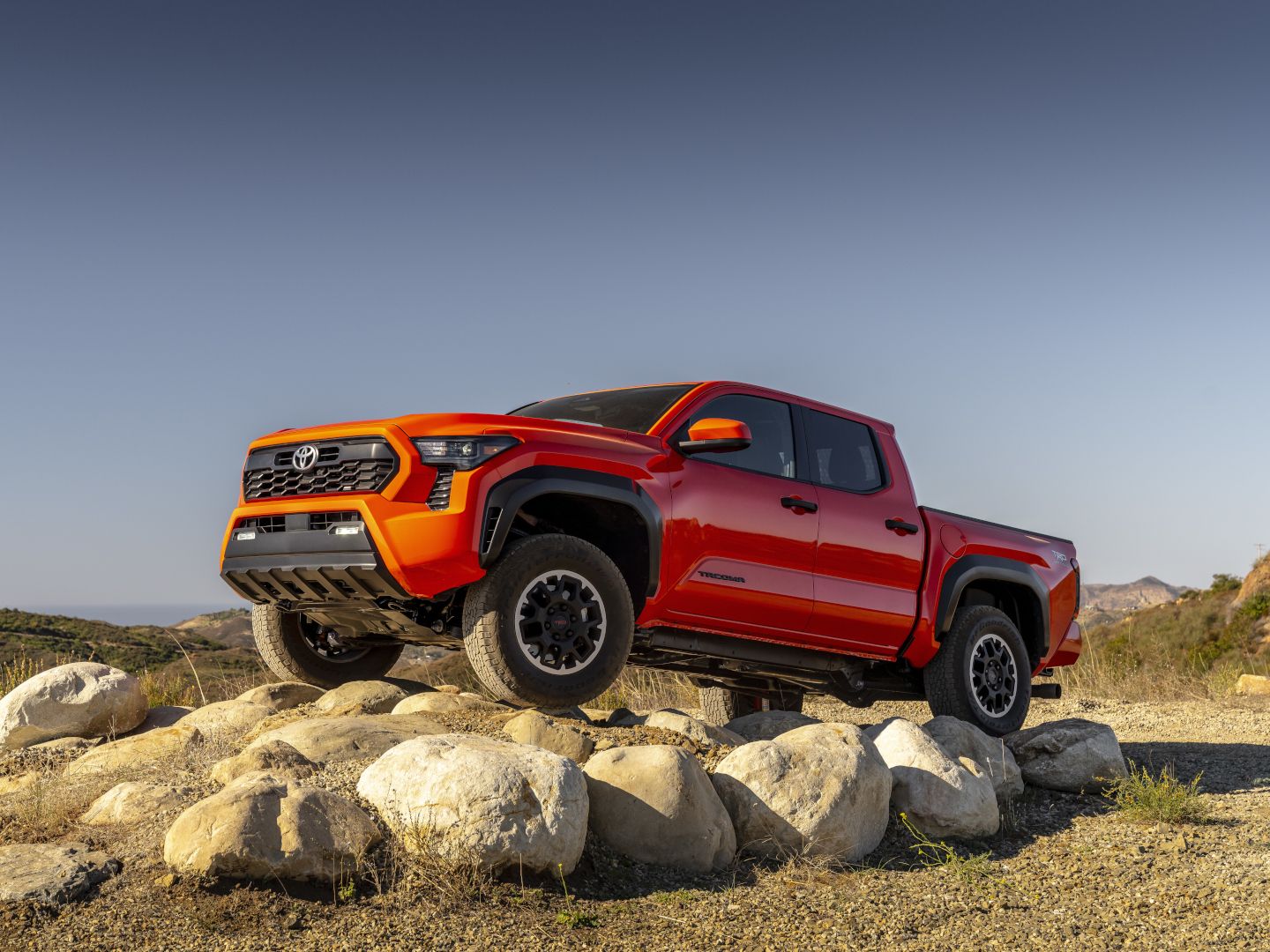
A weekend trail run rarely stays on one type of surface. A route might start on hard-packed gravel, drop into a washed-out section with exposed rock, then climb again through loose soil after rain. Each of those transitions asks something different of the driver.
Crawl Control removes one variable from that equation: pedal input. On a steep, uneven climb, over-applying throttle can spin a tire and stall momentum, while under-applying it can stall the truck outright. Letting the system hold a set crawl speed means the driver’s attention stays on line choice and steering, which is where it is needed most on narrow or technical routes.
Quebec’s backcountry and cottage-access roads often mix exactly these conditions: loose gravel, seasonal washouts, and grades that turn slick after rain or early frost. That is the kind of terrain where the TRD Off Road’s equipment set, and Crawl Control specifically, gets used rather than just carried around.
Experienced off-road drivers often prefer full manual throttle and brake control, and there are good reasons for that. Manual modulation lets a driver react instantly to a sudden change, like a tire catching an unseen rock, in a way that’s harder to fine-tune through a system.
Crawl Control is not meant to replace that skill. It is most useful in slow, technical situations where consistency matters more than split-second reaction, such as a long rutted climb or a steady descent. Many drivers switch it on for the technical sections of a route and manage the smoother stretches themselves.
Crawl Control is aimed at drivers who actually leave paved roads on a regular basis, not commuters who occasionally see gravel. Weekend trail users, cottage-country drivers navigating unmaintained access roads, and adventure-focused owners planning overland-style trips are the clearest fits.
For someone new to trail driving, the learning curve is short. Because the system removes pedal guesswork, a first-time off-roader can focus on watching the terrain and steering, rather than trying to learn throttle modulation on rocks at the same time. It’s a genuine entry point into more technical driving, not just a feature for people who already know how to do it manually.
The TRD Off Road grade also matters for buyers who want real trail capability without stepping up to the most extreme Tacoma builds, like the TRD Pro or Trailhunter. It keeps the locking differential, Bilstein shocks, skid plate protection, and Crawl Control in a package that still works as a daily truck around town.
That balance suits a lot of Quebec buyers who split time between city driving and rougher weekend routes, and who don’t need a purpose-built rock crawler for the other five days of the week.
Crawl Control and the surrounding off-road systems on the Tacoma TRD Off Road are built to make technical, low-traction terrain more manageable without taking control away from the driver. Understanding how the system feels usually takes a short demo route more than a spec sheet.
Visit Chassé Toyota in Montréal to see the 2026 Tacoma TRD Off Road in person, ask about a hands-on demo route, and find out which off-road-equipped Tacoma configuration fits how you actually plan to use it.
Photo for illustrative purposes only.
Find out more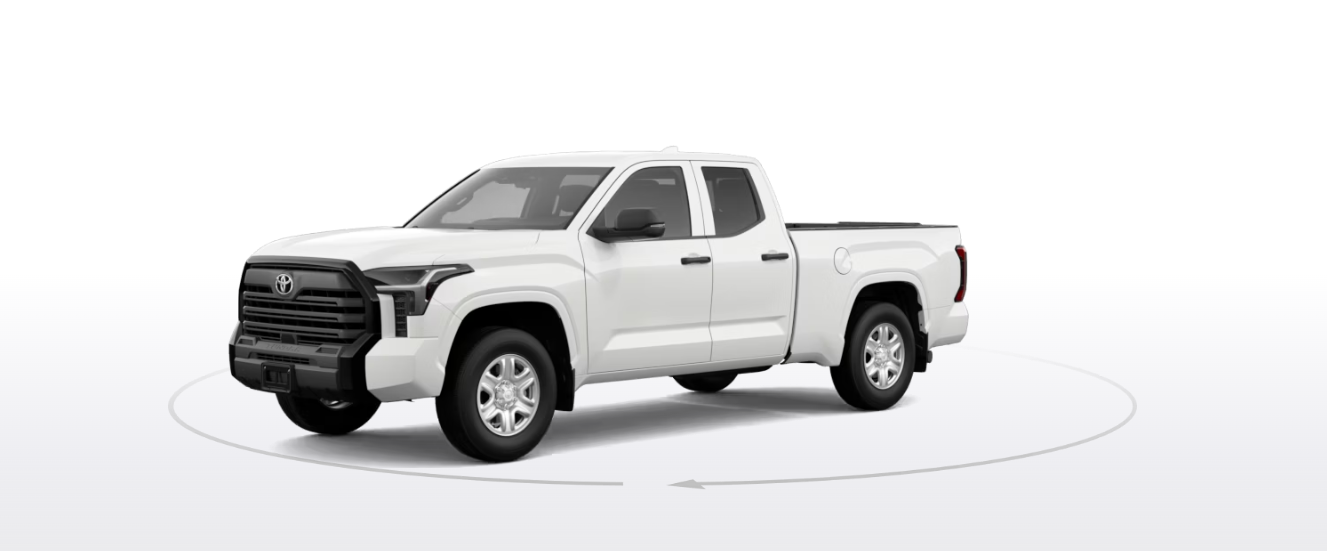
What the 2026 Toyota Tundra Double Cab SR 4X2 Can Carry
A work truck lives or dies on two numbers: how much weight it carries in the box, and how much it pulls behind it. The 2026 Toyota Tundra Double...
Read more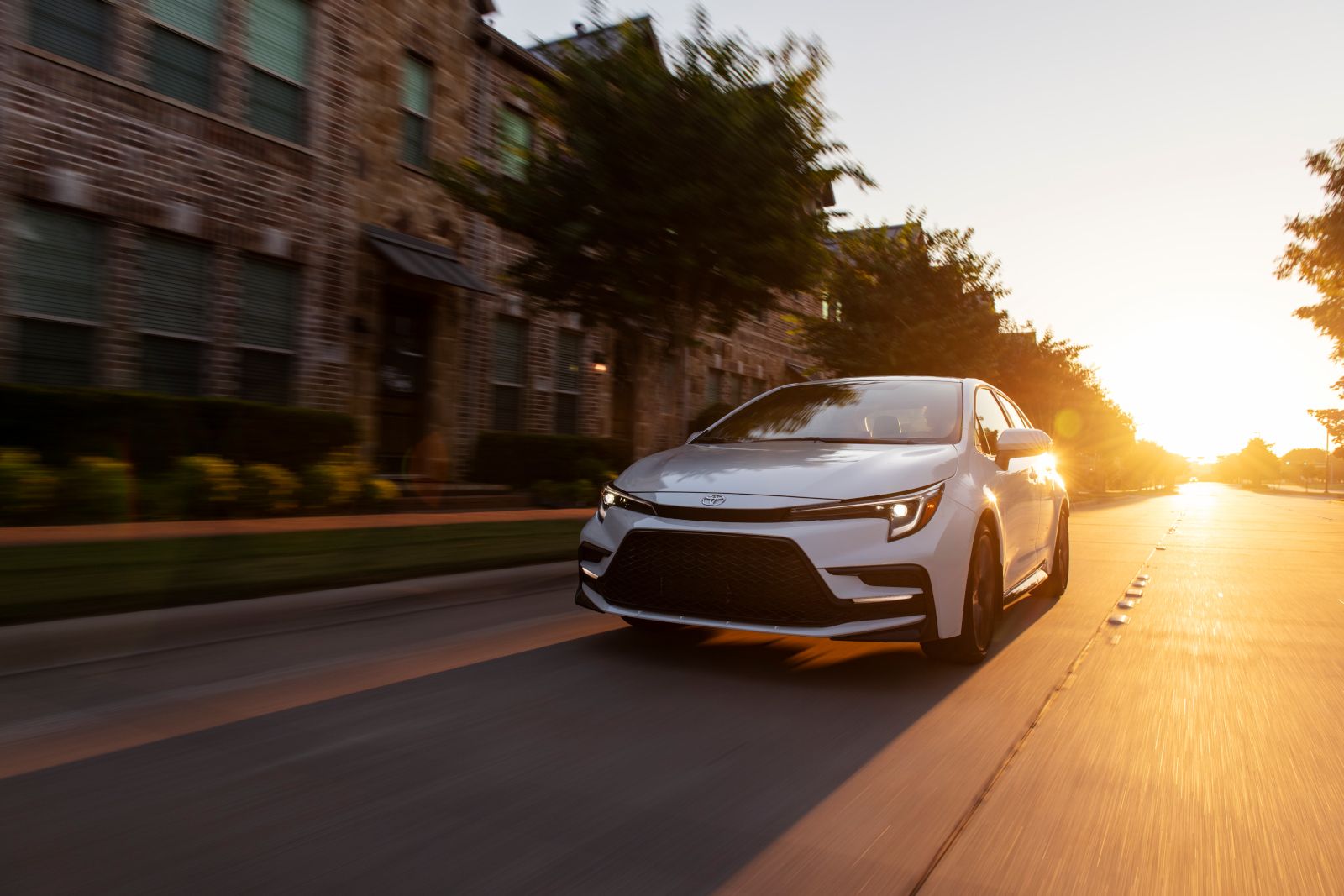
Does Every 2027 Toyota Corolla Grade Get Blind Spot Monitor?
If you’re comparing 2027 Corolla grades in Quebec, one detail decides a lot: not every grade includes Blind Spot Monitor. This is a...
Read more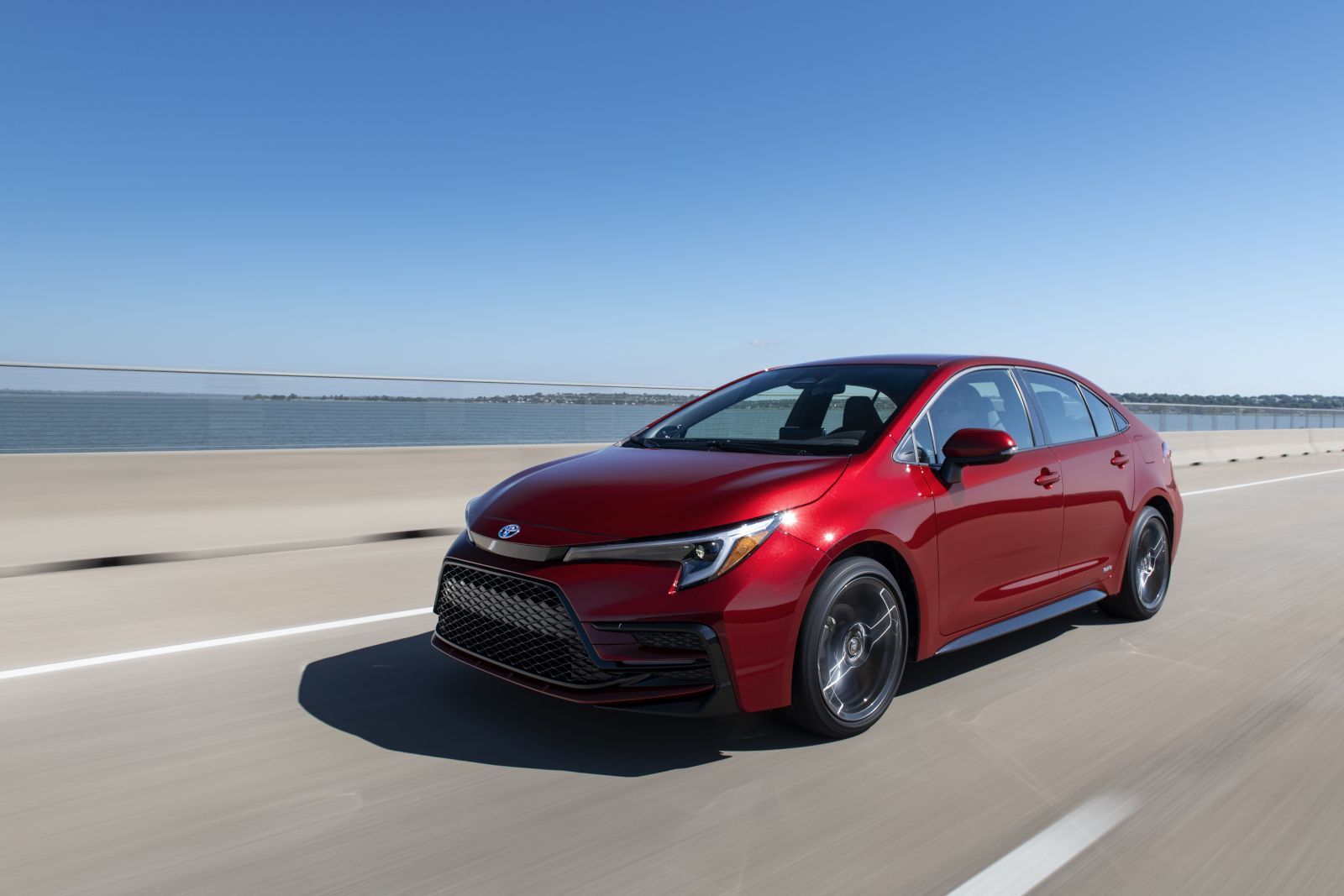
How Does the 2026 Toyota Corolla Hybrid Keep Commuting Costs Low?
Sitting in stop-and-go traffic is where most fuel gets burned and most patience gets tested. For Quebec commuters who spend their week idling at...
Read morePowered and developed by
