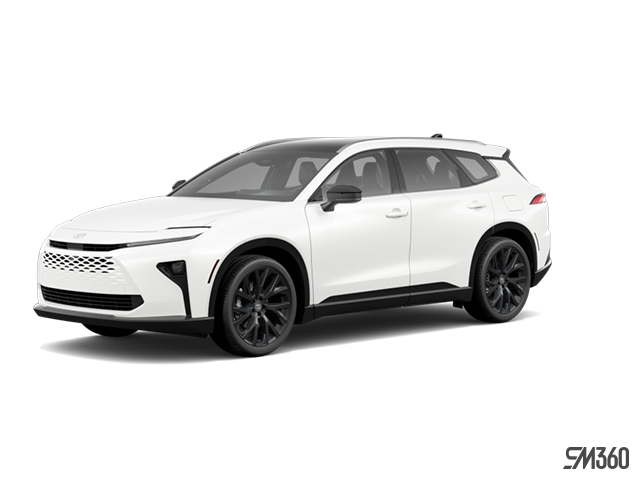
Photo for illustrative purposes only.
Find out more
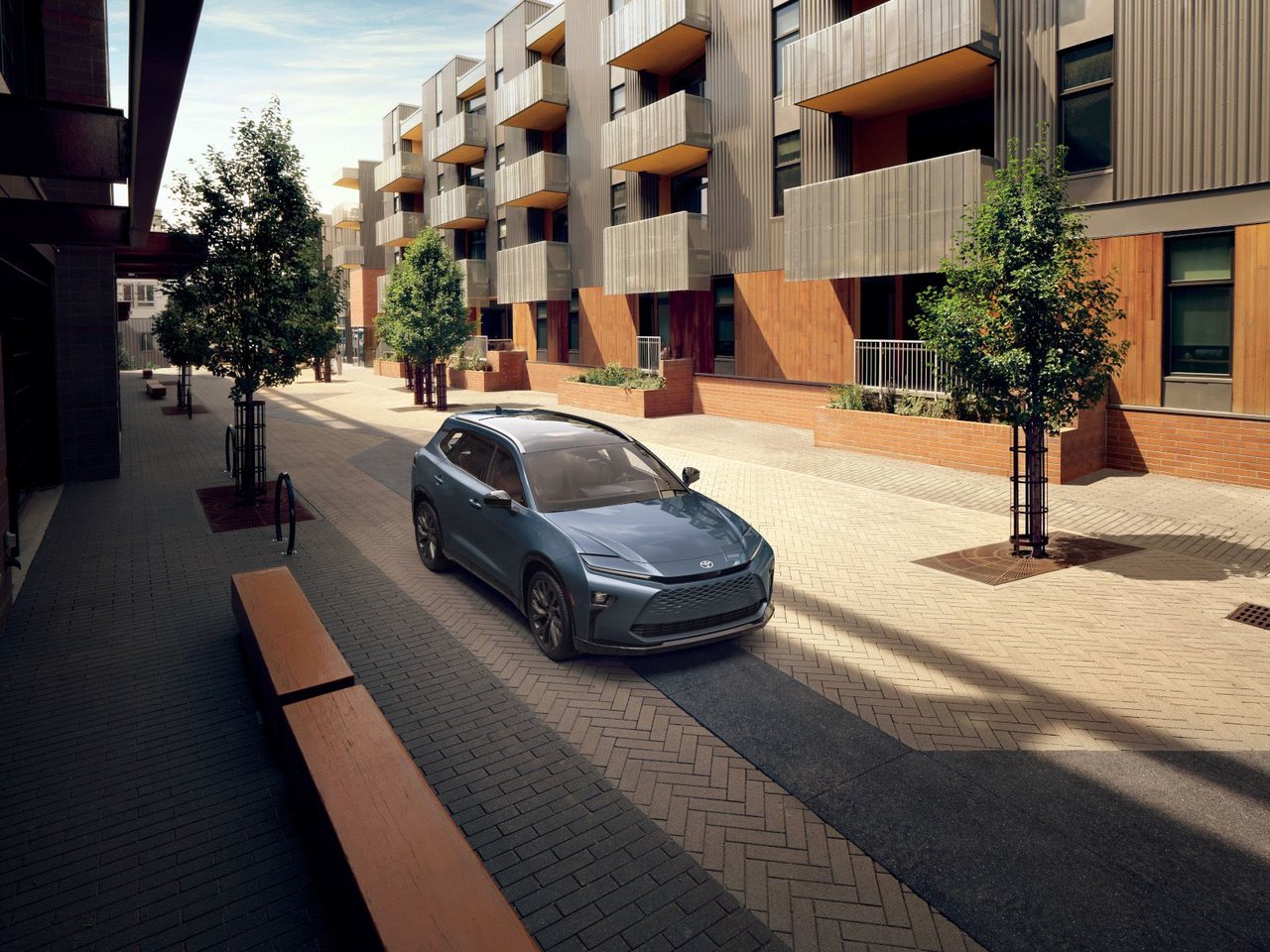
Navigating busy streets in Montréal requires constant vigilance—especially in neighbourhoods like Mont-Royal, with pedestrians, cyclists, and vehicles sharing tight spaces. Toyota Safety Sense brings advanced pedestrian detection technology to help drivers respond faster and more confidently in these challenging environments.
This guide explains how Toyota's pedestrian detection systems work, what they can and cannot do, and how they support safer driving in urban Quebec. From crowded intersections to residential streets, understanding these features helps you make the most of your vehicle's safety capabilities.
Toyota Safety Sense includes the Pre-Collision System (PCS) with Pedestrian Detection, a technology designed to help detect pedestrians and bicyclists ahead of your vehicle and reduce collision impact when the system determines a crash is imminent. The system uses a combination of cameras and millimetre-wave radar to monitor the road ahead.
When the system identifies a potential collision with a pedestrian or cyclist, it provides:
This technology is standard across most Toyota models equipped with Toyota Safety Sense 3.0, including the Prius PHEV and other popular vehicles in the lineup.
The Pre-Collision System monitors the area directly ahead of your vehicle, scanning for:
Detection works optimally when pedestrians and cyclists are clearly identifiable and not obscured by other objects. The system's effectiveness depends on factors like speed, lighting conditions, weather, and the position of detected objects.
Many Toyota models also include Rear Camera Detection, which monitors the area behind your vehicle when reversing. This feature operates when:
If a pedestrian is detected behind the vehicle or approaching from the rear, the system:
Important system distinction: Rear Camera Detection (RCD) and Parking Support Brake (PKSB) are separate functions with different detection areas. Even if RCD detects a pedestrian and sounds an alert, PKSB may not activate automatic braking, as its detection zone differs from RCD's monitoring area. The buzzer serves as an independent warning system.
Toyota's pedestrian detection performs well in typical urban driving scenarios:
No detection system is infallible. Toyota's pedestrian detection may have reduced effectiveness or may not detect pedestrians in certain situations:
Detection Challenges:
Environmental Factors:
Road and Vehicle Conditions:

Beyond collision warnings, Toyota Safety Sense 3.0 includes Proactive Driving Assist, which provides subtle support in everyday driving situations:
Obstacle Anticipation Assist (OAA) helps when:
This feature operates continuously during normal driving, offering smooth, proactive support rather than emergency intervention.
To get the most from Toyota Safety Sense in busy Quebec neighbourhoods:
Always remain prepared to brake or steer manually. The system is designed to assist, not replace, attentive driving. Take immediate manual action when:
Toyota Safety Sense works alongside other driver-assist technologies to create a comprehensive safety network:
Together, these systems provide multiple layers of awareness and support for urban driving.
The multi-information display shows:
Buzzer patterns indicate urgency:
Toyota Safety Sense pedestrian detection technology offers valuable support for navigating Montréal's busy streets, but understanding its capabilities and limitations is essential for safe driving. Visit our team at Chassé Toyota in Montréal to experience these systems and learn how they can enhance your daily commute through Quebec's urban environments.
Photo for illustrative purposes only.
Find out more
What the 2026 Toyota Tundra Double Cab SR 4X2 Can Carry
A work truck lives or dies on two numbers: how much weight it carries in the box, and how much it pulls behind it. The 2026 Toyota Tundra Double...
Read more
Does Every 2027 Toyota Corolla Grade Get Blind Spot Monitor?
If you’re comparing 2027 Corolla grades in Quebec, one detail decides a lot: not every grade includes Blind Spot Monitor. This is a...
Read more
How Does the 2026 Toyota Corolla Hybrid Keep Commuting Costs Low?
Sitting in stop-and-go traffic is where most fuel gets burned and most patience gets tested. For Quebec commuters who spend their week idling at...
Read morePowered and developed by
