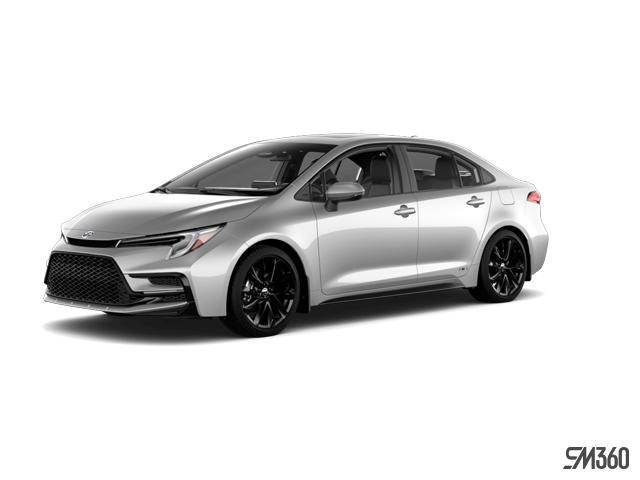
Photo for illustrative purposes only.
Find out more
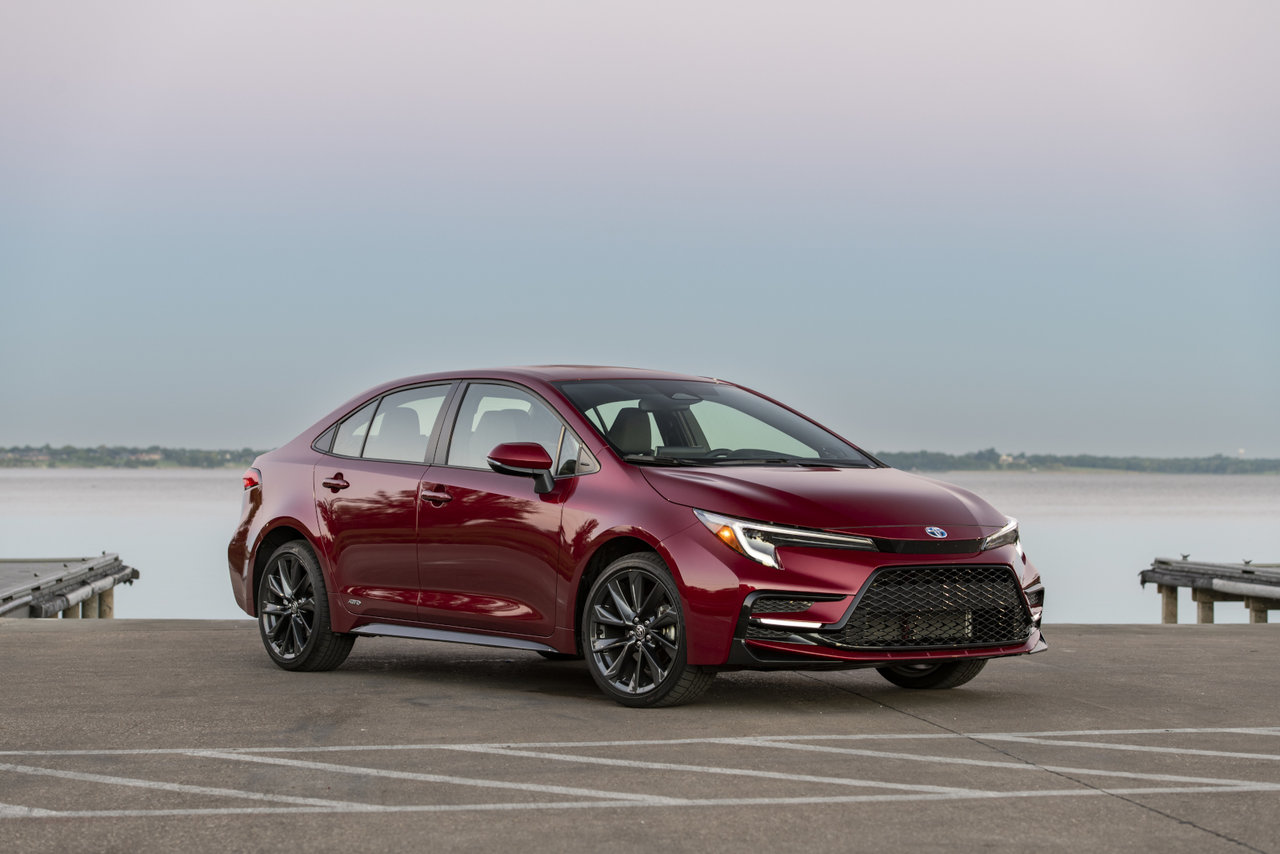
Learning to drive in Québec means learning highway merges, tight downtown streets, and packed parking lots, often all in the same week. The 2026 Toyota Corolla pairs that learning curve with a standard suite of driver-assist technology called Toyota Safety Sense 3.0, built to work alongside a driver rather than take over for one.
Toyota Safety Sense 3.0 is the standard driver-assist suite on every 2026 Corolla trim, gas or Hybrid. It bundles Pre-Collision System, Lane Departure Alert, Lane Tracing Assist, Dynamic Radar Cruise Control, Automatic High Beam, Road Sign Assist, and Proactive Driving Assist into one package, active without an upgrade or add-on package.
These functions work together to support driver awareness and decision-making, helping reduce the chances of a collision. They are not a replacement for attentive driving. They add a second layer of alerts and light corrections that back up a driver’s own judgment.
Backup camera coverage, an engine immobilizer, and an anti-theft alarm system round out a broader safety and security package standard across the lineup, separate from the TSS 3.0 suite itself.
Pre-Collision System watches the road ahead and can warn of, or help brake for, a possible collision. Dynamic Radar Cruise Control holds a set following distance in traffic, easing the stop-and-go of highway merges and lane changes.
Lane Departure Alert and Lane Tracing Assist work together to flag drifting out of a lane and offer light steering support to help keep the Corolla centred. Road Sign Assist reads posted speed and select signage, displaying it on the gauge cluster so it is not missed. Automatic High Beam switches between high and low beams based on oncoming traffic.
None of these are collision-avoidance systems. Toyota is explicit that features like blind-spot monitoring and rear cross-traffic alert are not substitutes for safe, attentive driving, and that logic applies to the whole TSS 3.0 suite: the systems assist, the driver still decides.
Highway commuting, frequent lane changes, and stop-and-go traffic are part of daily driving in Québec, and Dynamic Radar Cruise Control and Lane Tracing Assist are built for exactly that kind of driving, holding distance and lane position so a driver has more attention left for what is happening around them.
Blind-spot monitoring with rear cross-traffic alert and the standard backup camera help in the low-speed situations new drivers often find hardest to judge: reversing out of a parking spot, merging in a shopping centre lot, or navigating a narrow city street. The Corolla’s compact sedan footprint, a 4,631 mm to 4,636 mm length and 1,780 mm width depending on trim, adds to that: tight spaces stay easier to read.
The standard engine immobilizer and anti-theft alarm add a layer of security that matters for a first car parked on the street or in a shared lot.
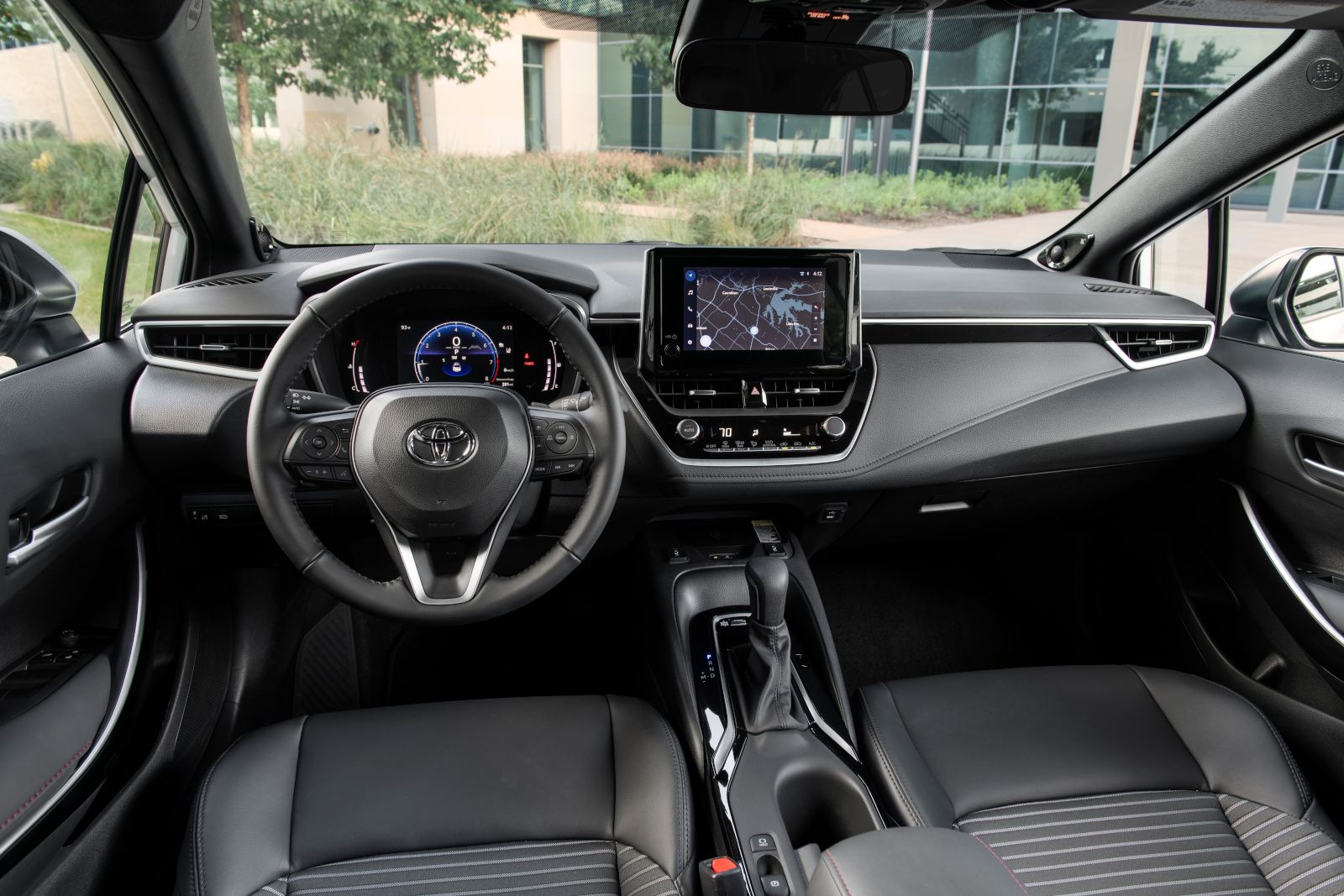
New drivers and first-time owners are the clearest fit. The entry L and LE trims focus on straightforward ownership: a full TSS 3.0 suite, a backup camera, and basic controls without a steep learning curve on the vehicle itself.
Blind-spot monitoring with rear cross-traffic alert steps in starting at LE on gas models, and it is standard across the entire Hybrid lineup from the base LE trim up. That is a useful add for anyone still building the habit of checking over their shoulder in parking lots.
Higher trims add comfort and cabin tech rather than more safety coverage. SE and XSE move to a 10.5-inch touchscreen from the L trim’s 8-inch unit, and XSE swaps the standard 7-inch gauge cluster for a 12.3-inch digital display, making the cabin easier to read at a glance.
|
Feature |
L |
LE |
SE |
XSE |
|
Blind-Spot Monitor with RCTA |
Not standard |
Standard |
Standard |
Standard |
|
Tire Pressure Monitor System |
Not standard |
Available |
Standard |
Standard |
|
Gauge Cluster |
7 in |
7 in |
7 in |
12.3 in |
No. Toyota Safety Sense 3.0 supports a driver’s awareness and reaction time; it does not take over the responsibility of driving. Systems like blind-spot monitoring and rear cross-traffic alert are explicitly not collision-avoidance systems and are not a substitute for checking mirrors and blind spots directly.
There is a real difference between driver assistance and collision avoidance. Assistance features add information and light corrective input, useful for a driver still building habits and situational awareness behind the wheel. Practice, defensive driving, and attention remain the deciding factor in avoiding a collision, not the technology alone.
The 2026 Corolla pairs a standard Toyota Safety Sense 3.0 suite with a compact, five-seat sedan layout built for daily use, from the entry L trim through XSE. Backup camera coverage, an immobilizer, and an alarm system round out the package on every trim.
Visit Chassé Toyota in Montréal to see the 2026 Corolla’s driver-assist features in person and find the trim that fits a new driver’s first car.
Photo for illustrative purposes only.
Find out more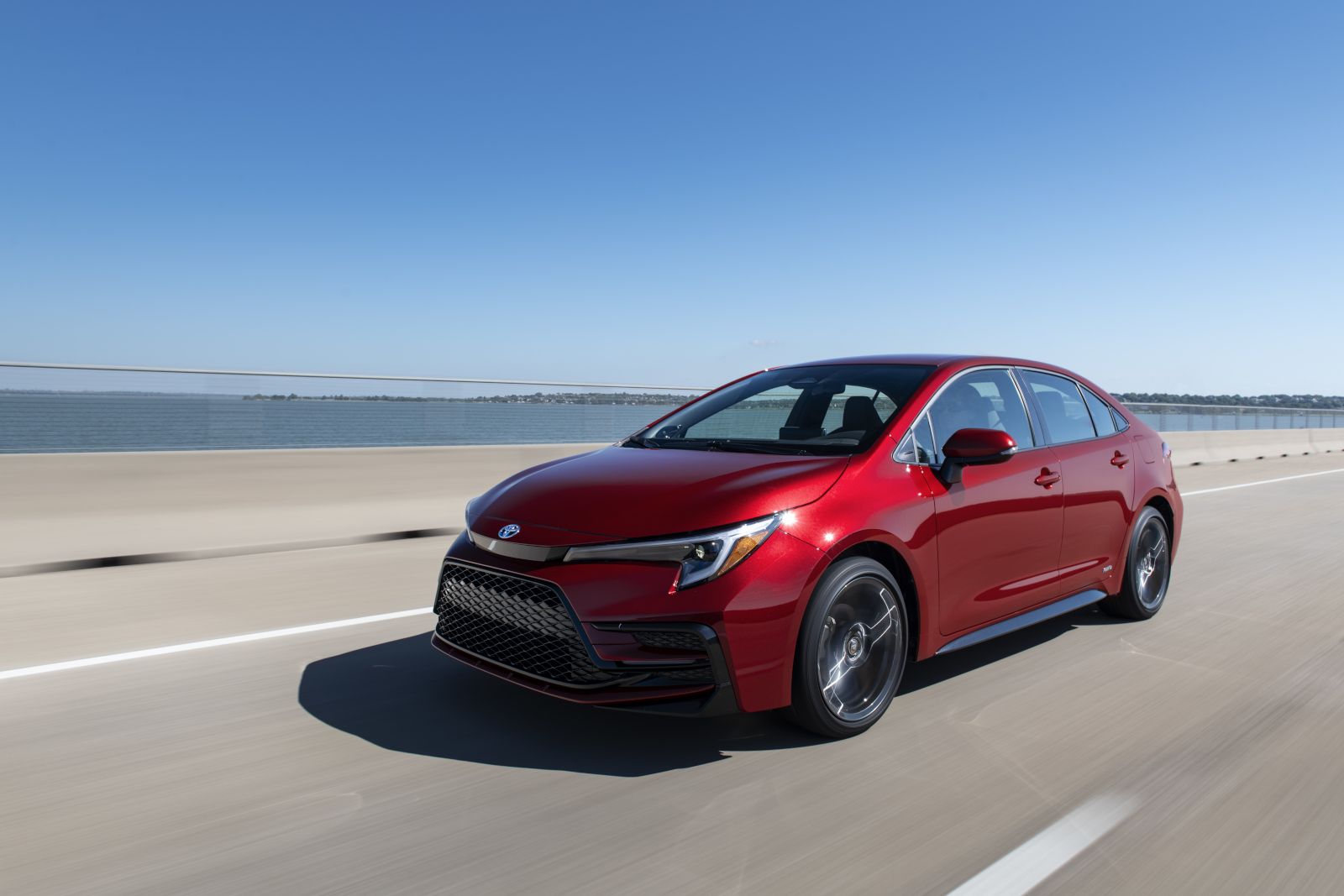
How Does the 2026 Toyota Corolla Hybrid Keep Commuting Costs Low?
Sitting in stop-and-go traffic is where most fuel gets burned and most patience gets tested. For Quebec commuters who spend their week idling at...
Read more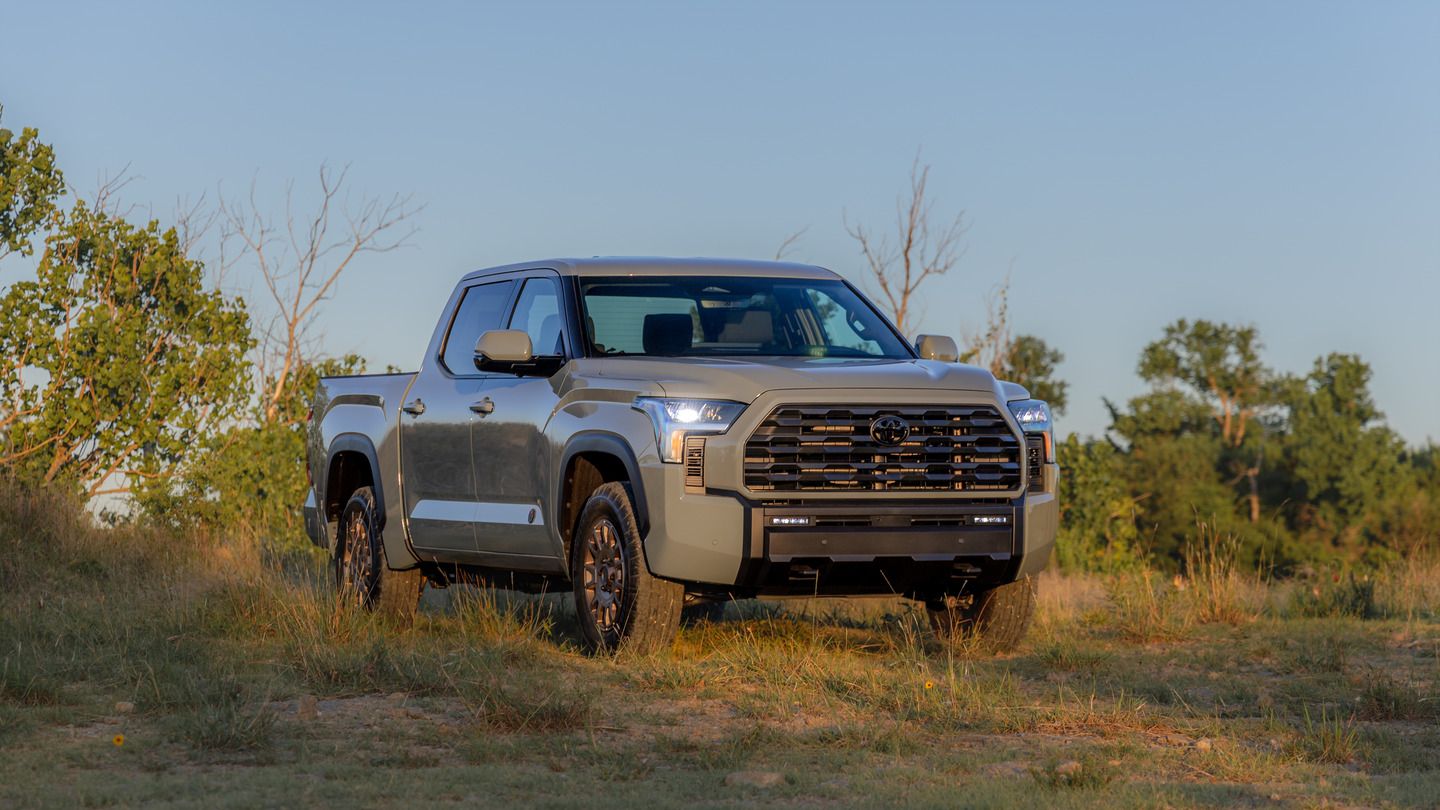
3 Toyota Safety Sense Features That Enhance Highway Confidence in the 2026 Toyota Tundra
Long stretches of highway can wear a driver down faster than expected. Traffic bunches up, lanes narrow near construction, and holding a steady...
Read more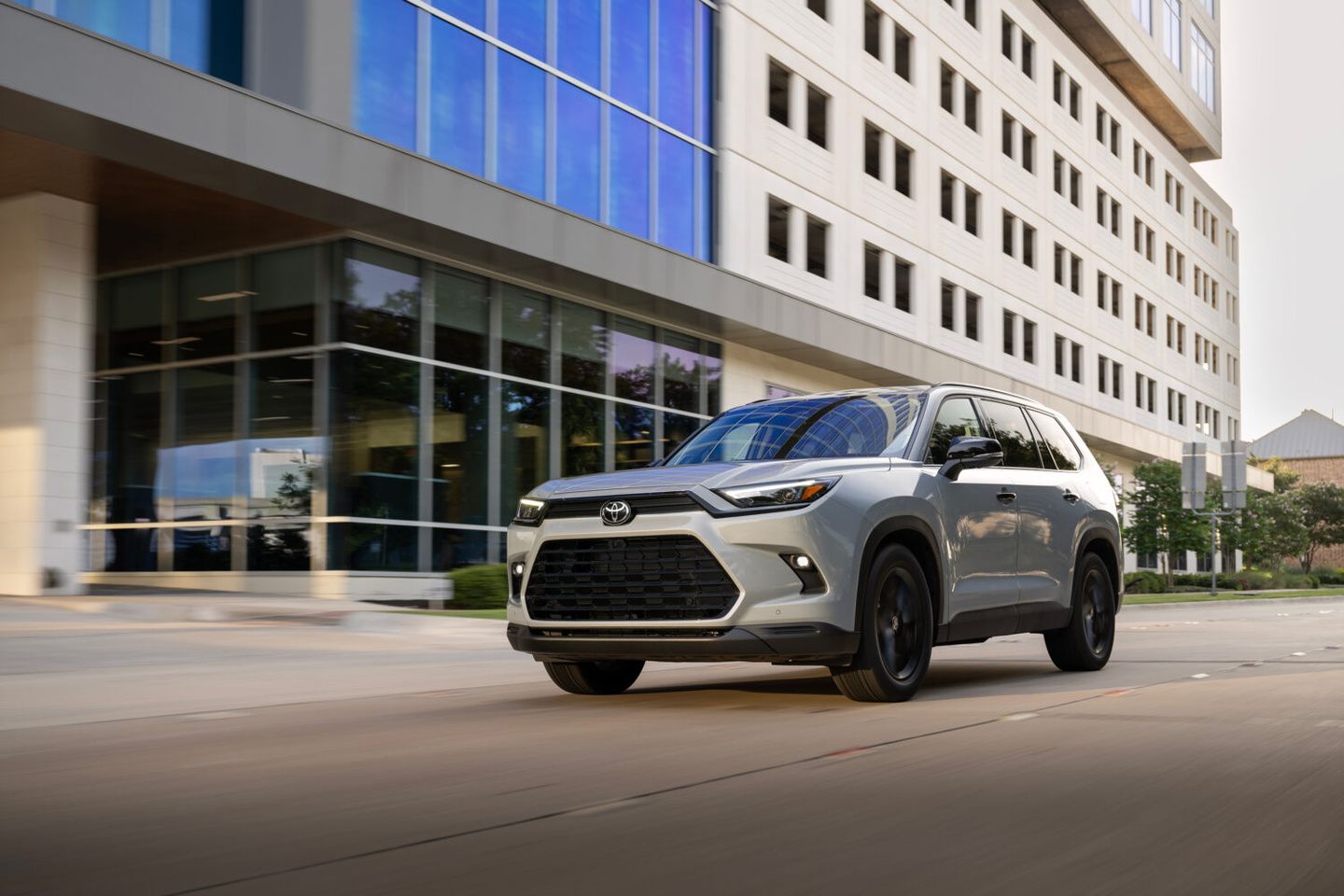
2026 Grand Highlander Trim Guide: HUD, Traffic Jam Assist, and 362 hp — Where Does Each Feature Start?
If you are shopping for a three-row SUV and want to understand exactly what you are getting at each price point, the 2026 Toyota Grand Highlander...
Read morePowered and developed by
