
Photo for illustrative purposes only.
Find out more
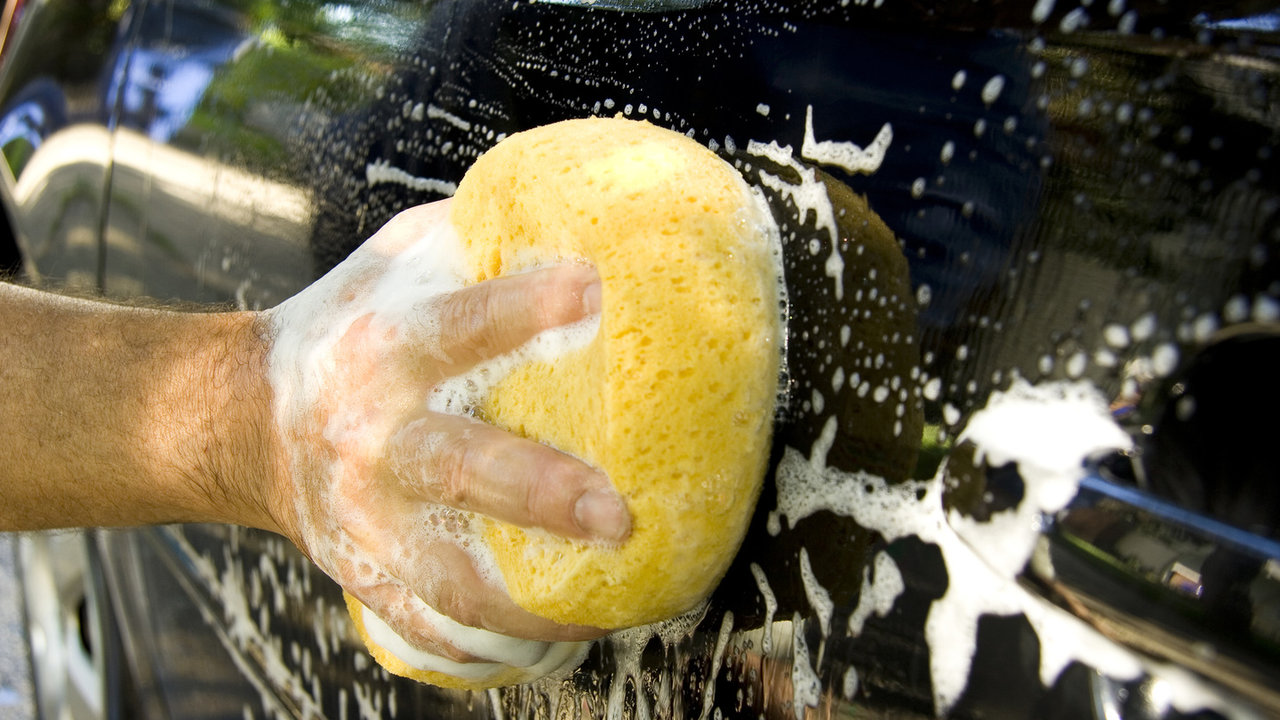
Spring in Quebec brings melting snow, road salt residue, and temperature swings that put unique demands on your vehicle. After months of winter driving, your Toyota deserves attention to ensure it performs reliably through the warmer months ahead. A thorough spring maintenance routine addresses wear from harsh conditions and prepares your vehicle for summer road trips and daily commutes.
Regular maintenance protects your investment and keeps your Toyota running at its best. From tire care to fluid checks, a seasonal inspection catches small issues before they become costly repairs. Whether you drive a Prius, RAV4, or Tundra, following a maintenance schedule suited to Quebec's climate helps maintain the safety, quality, and dependability Toyota owners expect.
Spring maintenance focuses on addressing winter's impact and preparing your vehicle for the season ahead. Start with a comprehensive visual inspection of your Toyota's exterior and undercarriage. Look for damage from road debris, check for rust or corrosion from salt exposure, and examine the condition of seals and weatherstripping around doors and windows.
Your Toyota's maintenance schedule includes several critical tasks that align well with spring timing:
Tires take considerable abuse during Quebec winters. Spring is the ideal time to assess their condition and make necessary adjustments. Check tire tread depth across all four tires and examine sidewalls for cuts, bulges, or embedded debris. Uneven wear patterns may indicate alignment issues that need correction.
If you haven't already rotated your tires, spring maintenance provides the ideal opportunity. Rotation extends tire life by ensuring even wear across all positions. During rotation, your technician can remove wheels and visually inspect brake components for wear or damage.
Proper tire inflation matters year-round but becomes especially crucial as temperatures rise. Check inflation pressure when tires are cold and adjust to the specifications listed on your door jamb placard. Correct pressure improves fuel economy, handling, and tire longevity.
Winter driving conditions can accelerate fluid degradation. Spring maintenance should include checking all fluid levels and conditions. Engine oil replacement tops the list, but don't overlook coolant, brake fluid, and windshield washer fluid. Top off any low fluids and address any leaks found during inspection.
Air filtration systems work hard during winter, trapping salt dust and road debris. Remove and inspect both the engine air filter and cabin air filter. A clogged engine air filter reduces performance and fuel economy, while a dirty cabin air filter compromises interior air quality. Replace filters that show substantial contamination or damage.

Salt and grime accumulation during winter can damage paint, trim, and undercarriage components if left unaddressed. A thorough spring cleaning removes corrosive residues and protects your Toyota's finish. Pay special attention to the undercarriage, wheel wells, and lower body panels where salt tends to collect.
Clean and protect exterior surfaces using appropriate products for your Toyota's paint and trim. Inspect weatherstripping and door seals for damage or deterioration. Inside the cabin, remove and clean floor mats, vacuum carpets thoroughly, and wipe down all surfaces to eliminate salt residue and winter debris.
Shorter winter days mean heavy reliance on exterior lighting. Spring maintenance should include inspecting all lights and the horn for proper operation. Replace any burned-out bulbs and clean lenses to ensure maximum visibility. Check that headlight aim remains correct, as impacts from potholes or snow banks can knock lights out of alignment.
Wiper blades endure harsh conditions during winter. Inspect wiper blades, linkage, and washers for proper operation. Replace blades that show signs of tearing, cracking, or streaking. Ensure washer nozzles spray correctly and aren't clogged with debris. Fresh wiper blades and clean windshields improve visibility during spring rain showers.
Don't forget the driver's floor mat. Check that it's properly installed and secured to prevent interference with pedal operation. This simple check contributes to safe vehicle operation year-round.
Maintenance of your Toyota vehicle is required every 6 months or 8,000 km, whichever occurs first. Every Toyota owner drives differently, and maintenance needs vary based on driving habits and conditions. A maintenance schedule specific to your vehicle and suited to your driving patterns can be provided by your Toyota dealer or by visiting toyota.ca. These schedules account for factors like frequent short trips, towing, or severe driving conditions common in Quebec.
Toyota dealers have access to your vehicle's service history and can recommend maintenance timing based on actual usage rather than generic intervals. This personalized approach ensures your Toyota receives the care it needs without unnecessary services.
Spring maintenance sets the foundation for reliable performance throughout the warmer months. By addressing winter's impact and preparing your Toyota for the season ahead, you protect your investment and maintain the quality and dependability that define the brand. Our team at Chassé Toyota is ready to help you develop a maintenance plan suited to your vehicle and driving needs.
Photo for illustrative purposes only.
Find out more
Crawl Control Explained: What the 2026 Toyota Tacoma TRD Off Road Brings to the Trail
Heading onto a rutted logging road or a rocky cottage laneway for the first time can feel intimidating, even in a capable truck. The 2026 Toyota...
Read more
What the 2026 Toyota Tundra Double Cab SR 4X2 Can Carry
A work truck lives or dies on two numbers: how much weight it carries in the box, and how much it pulls behind it. The 2026 Toyota Tundra Double...
Read more
Does Every 2027 Toyota Corolla Grade Get Blind Spot Monitor?
If you’re comparing 2027 Corolla grades in Quebec, one detail decides a lot: not every grade includes Blind Spot Monitor. This is a...
Read morePowered and developed by
